


The ability to walk that humans originally possessed
THE INNATE POWER OF HUMAN WALKING
Walking was once more than just a means of transportation.
Human walking is a precise movement that involves the coordination of the heel, toes, pelvis, and spine.
With each step, your center of gravity shifts correctly and the muscles throughout your body work together, improving your posture, deepening your breathing, and improving blood circulation.
Walking itself was the minimum amount of exercise necessary to keep the body in good condition.
Every time I walked, my body was activated, and I didn't have to train or consciously correct my posture.
There was certainly more to it than just being a means of transportation.
Walking was originally a way of life for humans to maintain their natural health.
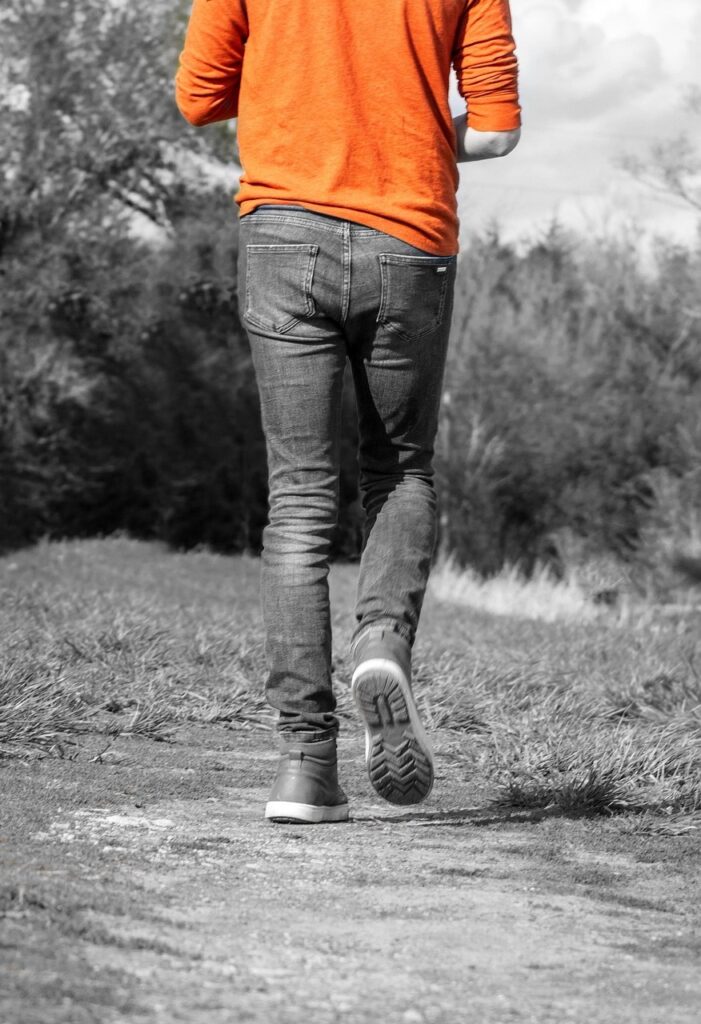

In the days when people walked barefoot, humans were connected to the earth.
WHEN WE WALKED WITH THE EARTH ITSELF
Human walking developed on the premise that people would walk barefoot.
The soles of the feet sensitively sense the temperature, humidity, and slope of the ground, and this information is transmitted directly to the pelvis and spine, allowing the body to move in an ideal manner.
By gripping the ground, the center of gravity was naturally aligned, and the entire body worked in seamless coordination.
However, this connection was significantly rewritten by subsequent civilizations.
Wearing shoes became commonplace in everyday life, and the soles of our feet gradually became separated from the earth.
When the sensation is cut off, the feet lose their original function as sensors, and the ability to properly control the center of gravity also weakens.
Furthermore, the development of civilization has greatly changed the physical environment of humans.
After the Industrial Revolution, long hours of standing and factory work became the norm, and as time went on, people began to live desk-centered lives.
In addition, with the spread of smartphones in modern times, people's gaze is lowered, the spine is curved, and the pelvis is losing its function.
In this way, humans have found themselves in a physical environment that is the complete opposite of the time when they walked while communicating with the earth.
Why has walking become just another means of transportation?
WHEN WALKING BECAME MERE TRANSPORTATION
As a result, many modern people are no longer able to walk with their entire body coordinated as they once did.
Walking has been reduced to "one of the means to reach a destination."
The reasons for this are the rise of shoe culture and the influence of urban environments.
In particular, shoes with raised heels not only cut off sensation in the soles of the feet, but also squeezed the toes, significantly reducing physical function.
Furthermore, long hours of desk work and the widespread use of smartphones cause people to lean forward, further reducing the connection between the pelvis and spine.
As a result, information from the feet reaches the brain less easily, and walking is now losing its original function.
The act of walking, once considered a "living activity," has quietly fallen asleep as time has changed.
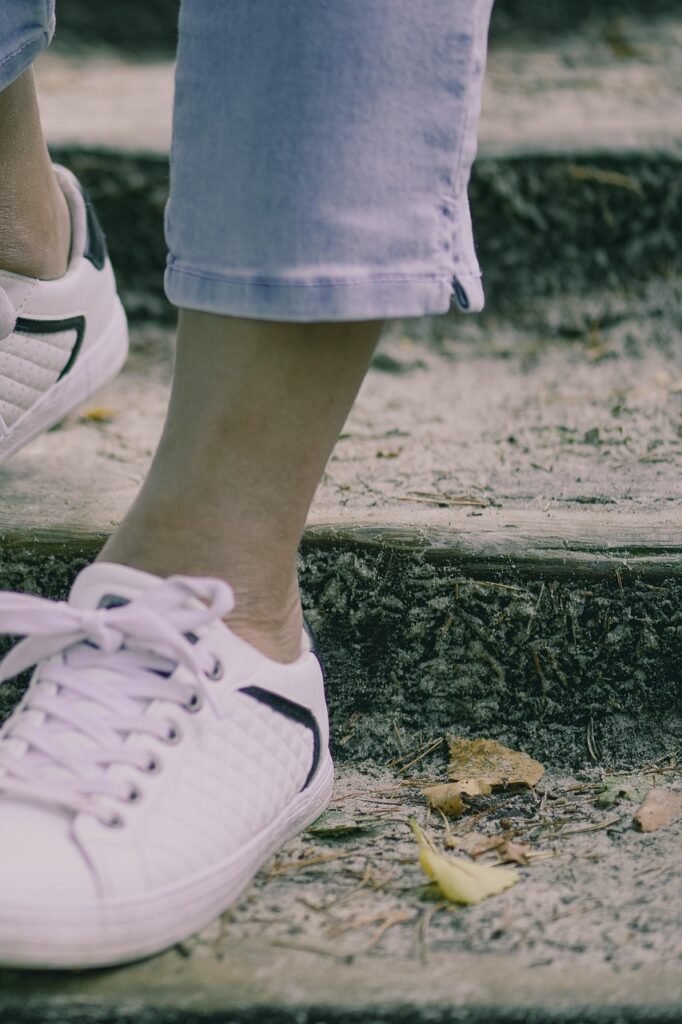
Extra things created by the deterioration of walking
THE UNWANTED BYPRODUCTS OF DECLINING GAIT
The decline in walking function also led to the development of "extraneous" parts of the body.
Walking with your weight forward creates unnecessary tension in the outer thighs and calves, and pelvic instability can cause lower back pain and stiff shoulders.
The decline in function of the arch of the foot impedes blood flow and lymph circulation, leading to chills, swelling, and chronic fatigue.
Unnecessary muscle tension, fat accumulation, excessive fatigue - all of these are things that are actually unnecessary.
These ailments are not the result of a breakdown in the body, but rather a form of compensation that the body has painfully devised to compensate for the loss of walking function.
As the quality of walking declines, the human body begins to carry around ``extra stuff.''
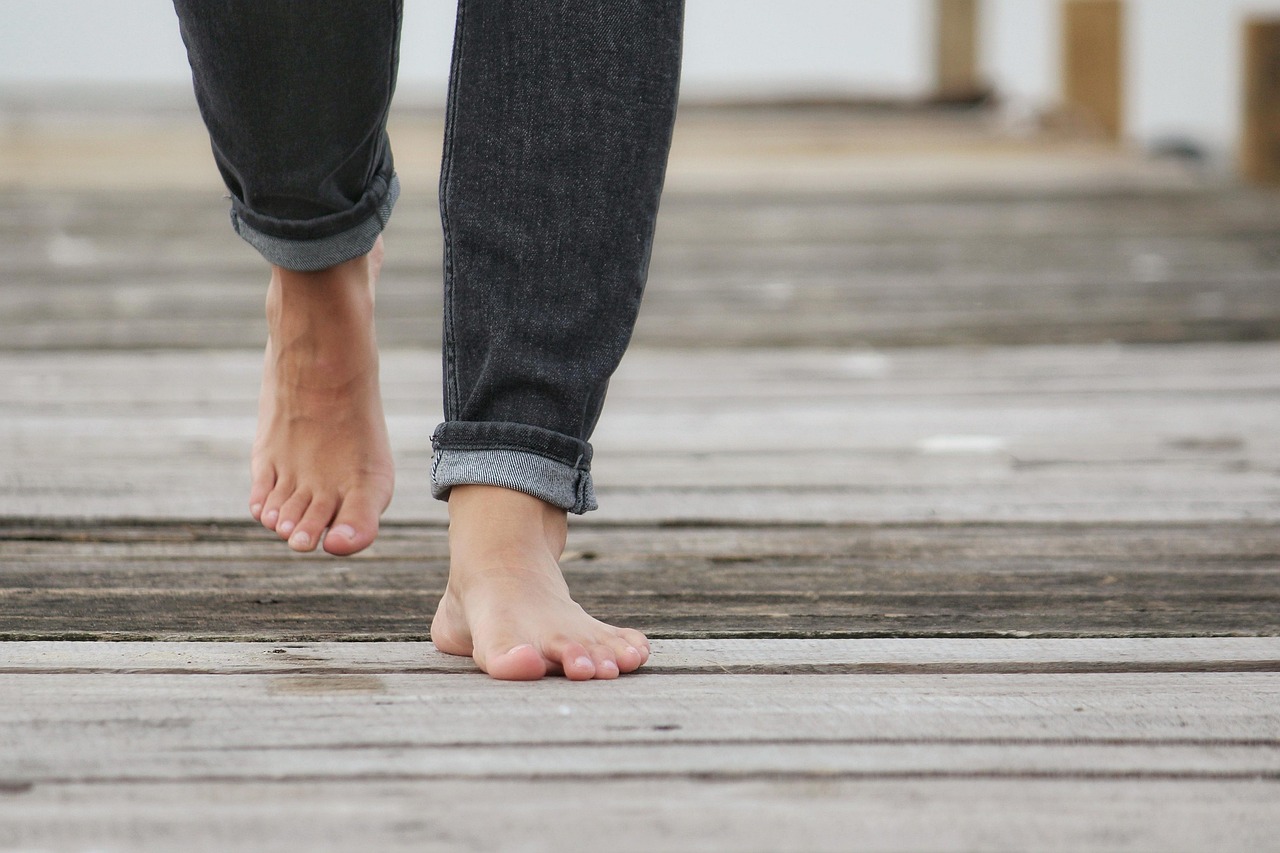
No effort needed to lose weight, get fit, or get in shape
EFFORTLESS WALKING, EFFORTLESS CHANGE
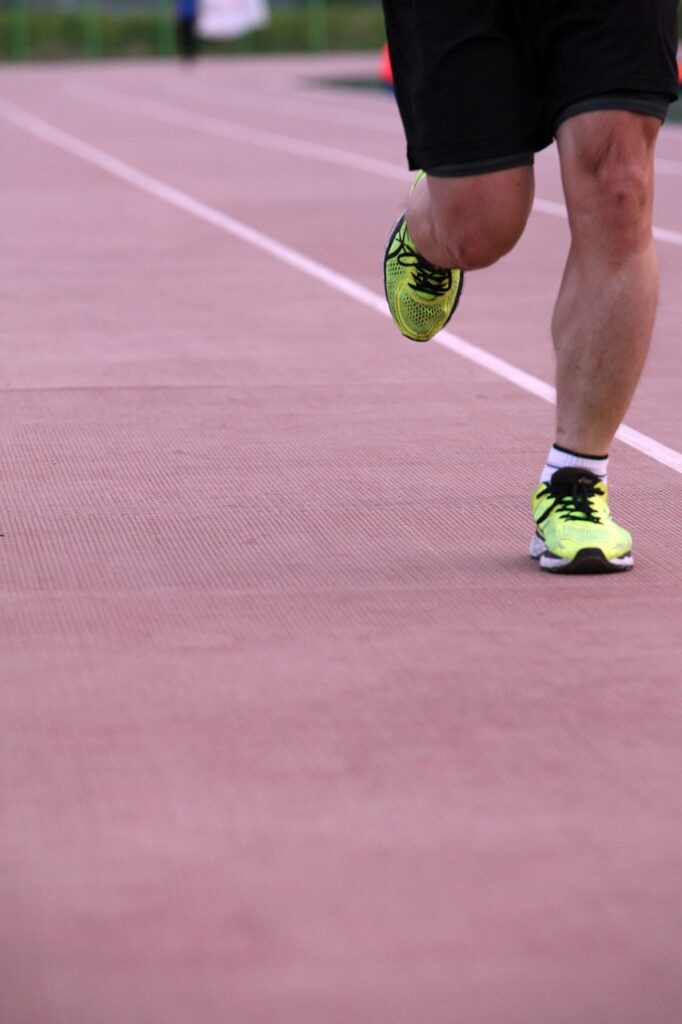
The human body is naturally equipped with a mechanism that develops health, metabolism, and posture simply by walking.
There was no need to keep putting strain on yourself in order to lose weight, nor was there any need to keep consciously correcting your posture.
The heel receives the impact, the sole of the foot shifts the center of gravity, and the pelvis and spine work together to support the entire body.
This series of movements deepened breathing, got the blood circulating, stirred the organs, and woke up the muscles.
In the past, humans naturally repeated this cycle every day as they went about their lives.
However, the loss of the natural human way of walking has resulted in the creation of a "body that cannot be maintained without hard work."
No matter how hard you try, it doesn't get in shape, and even if you train, it just goes back to the way it was, and you have to keep repeating the same care - a distorted life.
This is simply because the act of walking has been left behind in the past.
There was no effort required to lose weight, get fit, or get in shape.
Awakening the lost potential of walking
AWAKENING THE LOST POTENTIAL OF WALKING
The "potential of walking" is the mechanism by which the body automatically keeps itself in alignment.
It is not an effort, a reproduction, or a consciousness, but a circulatory function that returns to nature the more you walk.
As a result of losing the circulation that should occur when walking, people have turned to "alternatives" such as muscle training, chiropractic treatments, and massages.
In other words, "regaining the ability to walk" means nothing more than reverting the body's design from one that is trying hard to one that "aligns itself automatically."
Humans are naturally creatures who can maintain their health simply by walking.
When we remember this natural mechanism and are able to entrust ourselves to our bodies once again, walking is reborn as a movement that keeps life circulating, rather than just a means of transportation.
Redefining walking is the starting point for modern people to regain their health and harmony.
SUMMARY
Redefining walking and leading the way to a future guided by human nature
REDEFINING WALKING, RECLAIMING THE FUTURE
Redefining walking isn't about increasing effort, but about awakening the body's functions.
It's akin to "trusting your body again."
It is also about entrusting oneself to the inherent human design, rather than consciously controlling it.
When walking becomes a part of life again, health and beauty will quietly and effortlessly accumulate.
Not effort, but nature. Not effort, but cooperation.
Returning to that world means regaining the natural way humans walk.